
Homemade bagels often feel like a weekend project that requires yeast, proofing, and patience. This high-protein Greek yogurt bagel recipe takes a different approach, delivering a chewy, satisfying bagel with minimal ingredients and no complicated techniques. It is designed for busy mornings, meal prep routines, and anyone looking to increase protein intake without sacrificing texture or flavor.

These oven-baked protein bagels rely on a simple dough made with Greek yogurt and baking powder instead of yeast. The result is a tender interior, lightly crisp exterior, and a neutral flavor that works for both sweet and savory toppings. Each bagel provides a solid protein boost, making it a practical choice for breakfast, post-workout meals, or quick snacks.
Below you will find a complete recipe card, followed by in-depth guidance on ingredients, technique, texture control, storage, and serving ideas. Every section focuses on practical value, helping you get consistent results even if you are new to homemade baking.
Protein Bagel Recipe Card
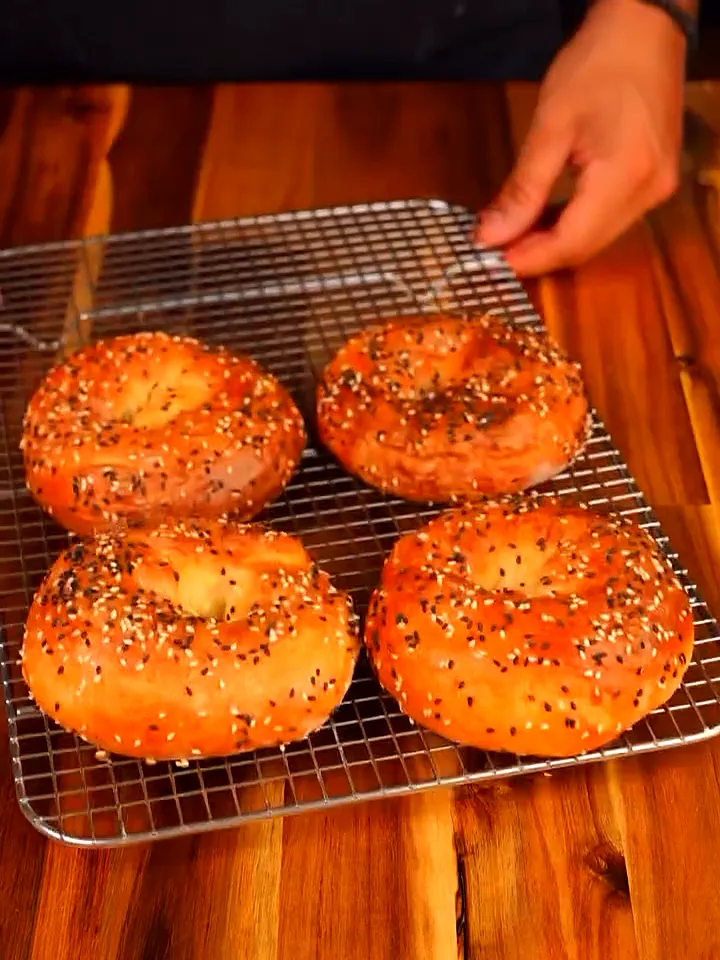
Recipe Name: High-Protein Greek Yogurt Bagels
Yield: 4 bagels
Prep Time: 15 minutes
Bake Time: 25–30 minutes
Total Time: About 45 minutes
Nutrition (Per Bagel, Approximate):
Calories: 250–260
Protein: ~18g
Carbohydrates: ~44g
Fat: ~1g
Ingredients
- 250g bread flour (can be replaced with all-purpose flour if needed)
- 20g baking powder
- Salt, to taste
- 450g plain 0% Greek yogurt, thick-style
- 1 egg, beaten with 1 tablespoon water (for brushing)
- Sesame seeds, for topping
Instructions
- Preheat the oven to 180°C with fan or 200°C without fan.
- In a large bowl, combine flour, baking powder, and salt until evenly mixed.
- Add Greek yogurt and mix until a rough dough forms.
- Transfer the dough to a lightly floured surface and knead briefly until smooth.
- Divide the dough into four equal portions and shape each into a bagel.
- Brush the tops with egg wash and sprinkle with sesame seeds.
- Bake for 25–30 minutes until golden and firm.
- Cool slightly before slicing or storing.
Why Greek Yogurt Works So Well in Protein Bagels
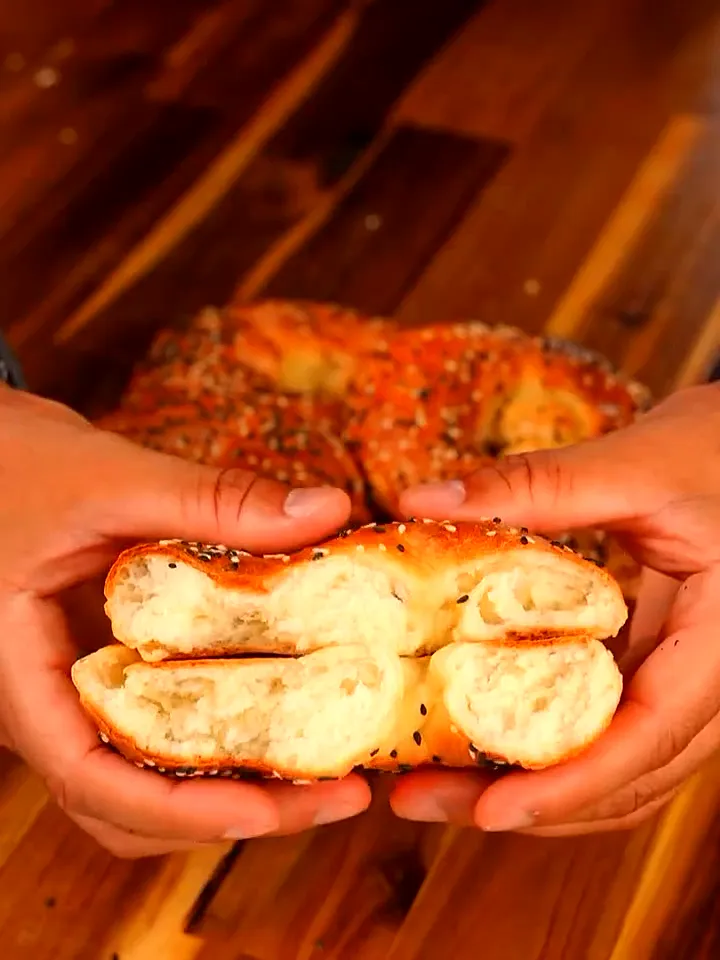
Greek yogurt replaces traditional yeast-based fermentation while adding moisture and structure to the dough. Its thickness provides binding power, allowing the bagels to hold their shape without boiling or proofing.
The high protein content of strained yogurt contributes directly to the nutritional profile. It also improves tenderness, preventing the dense texture that quick breads sometimes develop.
Using fat-free Greek yogurt keeps overall fat low while still producing a satisfying crumb. Full-fat yogurt can be used, but it will slightly alter both macros and texture.
Choosing the Right Flour for Texture and Protein
Bread flour is preferred because it has a higher protein content than all-purpose flour. This extra gluten development helps mimic the chewiness associated with traditional bagels.
All-purpose flour remains a reliable substitute when bread flour is unavailable. The bagels will be slightly softer, but still structured enough for slicing and filling.
Avoid self-rising flour in this recipe. The baking powder is carefully measured, and extra leavening can cause uneven rise and a bread-like crumb.
Mixing and Shaping Without Overworking the Dough
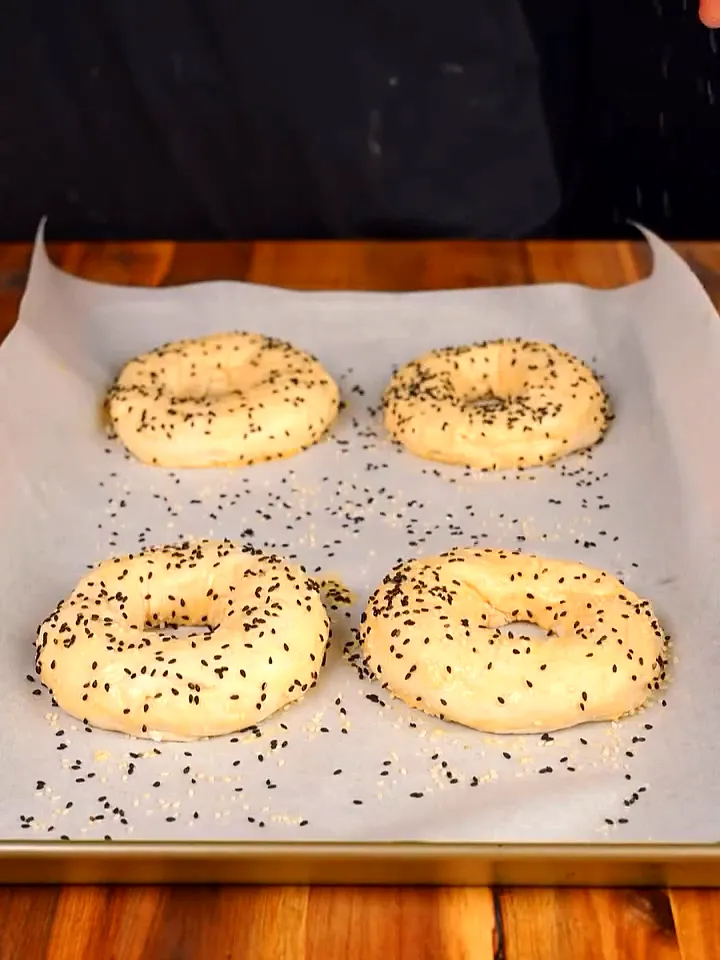
This dough comes together quickly, which is one of its strengths. Overmixing is unnecessary and can actually toughen the final result.
Once the ingredients are combined, a short knead of 30 to 45 seconds is enough. The dough should feel smooth, slightly tacky, and easy to shape.
When forming bagels, rolling into a ball and gently pressing a hole through the center works best. Stretch the hole slightly, as it will shrink during baking.
Baking Temperature and Timing Explained
These bagels bake at a moderately high temperature to encourage browning without drying out the interior. The egg wash promotes a glossy surface and helps toppings adhere.
Fan-assisted ovens cook slightly faster, which is why the lower temperature is recommended. Always rely on visual cues, such as a golden top and firm exterior, rather than time alone.
If the bagels brown too quickly, tent them loosely with foil during the final minutes. This preserves color while allowing the center to finish baking.
Flavor Variations and Customization Ideas

This base recipe is intentionally neutral, making it adaptable to many flavor profiles. Simple additions can transform the bagels without changing the core method.
Savory options include garlic powder, onion flakes, or black seeds mixed into the dough. Cheese alternatives can be folded in for added richness and protein.
For sweeter versions, a small amount of honey or maple syrup can be added, along with cinnamon or dried fruit. Keep additions modest to maintain dough structure.
Storage, Freezing, and Meal Prep Tips
These protein bagels are ideal for meal prep because they hold up well over several days. Once cooled, slice them before storing to make reheating easier.
In the refrigerator, they stay fresh for up to five days when stored in an airtight container. Toasting restores texture and warmth before serving.
For longer storage, freeze sliced bagels in freezer-safe bags. They can be toasted directly from frozen without thawing.
Serving Ideas for Everyday Meals
Protein bagels are versatile enough to fit into multiple meals throughout the day. Their mild flavor pairs well with both sweet and savory fillings.
For breakfast, spread with cream cheese alternatives, nut butter, or eggs and vegetables. Lunch options include grilled chicken, tuna, or roasted vegetables.
They also work well as a post-workout snack with high-protein spreads or simple fillings. The sturdy structure prevents sogginess, even with moist toppings.
Frequently Asked Questions
Can I make these bagels without bread flour?
Yes, all-purpose flour works well, though the texture will be slightly softer and less chewy.
Why is my dough sticky?
Greek yogurt brands vary in thickness, which affects moisture. Add a small amount of flour until the dough is manageable but not dry.
Do these bagels need to be boiled like traditional bagels?
No, this method skips boiling entirely. Baking alone creates a firm exterior and tender interior.
Can I add toppings other than sesame seeds?
Absolutely, poppy seeds, black seeds, or mixed seed blends work well and add texture.
How do I keep them from drying out?
Proper storage is key. Always cool completely before sealing, and toast before serving for best texture.
This high-protein Greek yogurt bagel recipe offers a practical balance between nutrition, simplicity, and flavor. With minimal ingredients and flexible customization, it fits easily into modern meal prep routines while delivering reliable, bakery-style results at home.

High-Protein Greek Yogurt Bagels (Easy 4-Ingredient Oven-Baked Recipe)
Description
Ingredients
Bagel Dough
- 250 g bread flour can be substituted with all-purpose flour
- 20 g baking powder
- salt to taste
- 450 g plain 0% Greek yogurt thick-style
Topping
- 1 large egg beaten
- 1 tbsp water for egg wash
- sesame seeds for topping
Instructions
Oven-Baked Protein Bagels
- Preheat the oven to 180°C (fan) or 200°C (no fan). Line a baking tray with parchment paper.
- In a large mixing bowl, combine the flour, baking powder, and salt until evenly mixed.
- Add the Greek yogurt and mix until a rough dough forms. Transfer to a lightly floured surface.
- Knead briefly for 30–45 seconds until the dough is smooth and soft. Divide into four equal portions.
- Shape each portion into a ball, then press a hole through the center to form a bagel shape.
- Brush the bagels with egg wash and sprinkle with sesame seeds.
- Bake for 25–30 minutes until golden brown and firm.
- Cool slightly before slicing, serving, or storing.
Notes
- Greek yogurt thickness can vary, so adjust flour slightly if the dough feels sticky.
- Slice bagels before freezing for easy toasting straight from frozen.
- Toast before serving to restore texture after refrigeration.
Leave a Reply